Self-Improvement for Kids: How Martial Arts Builds Self-Mastery
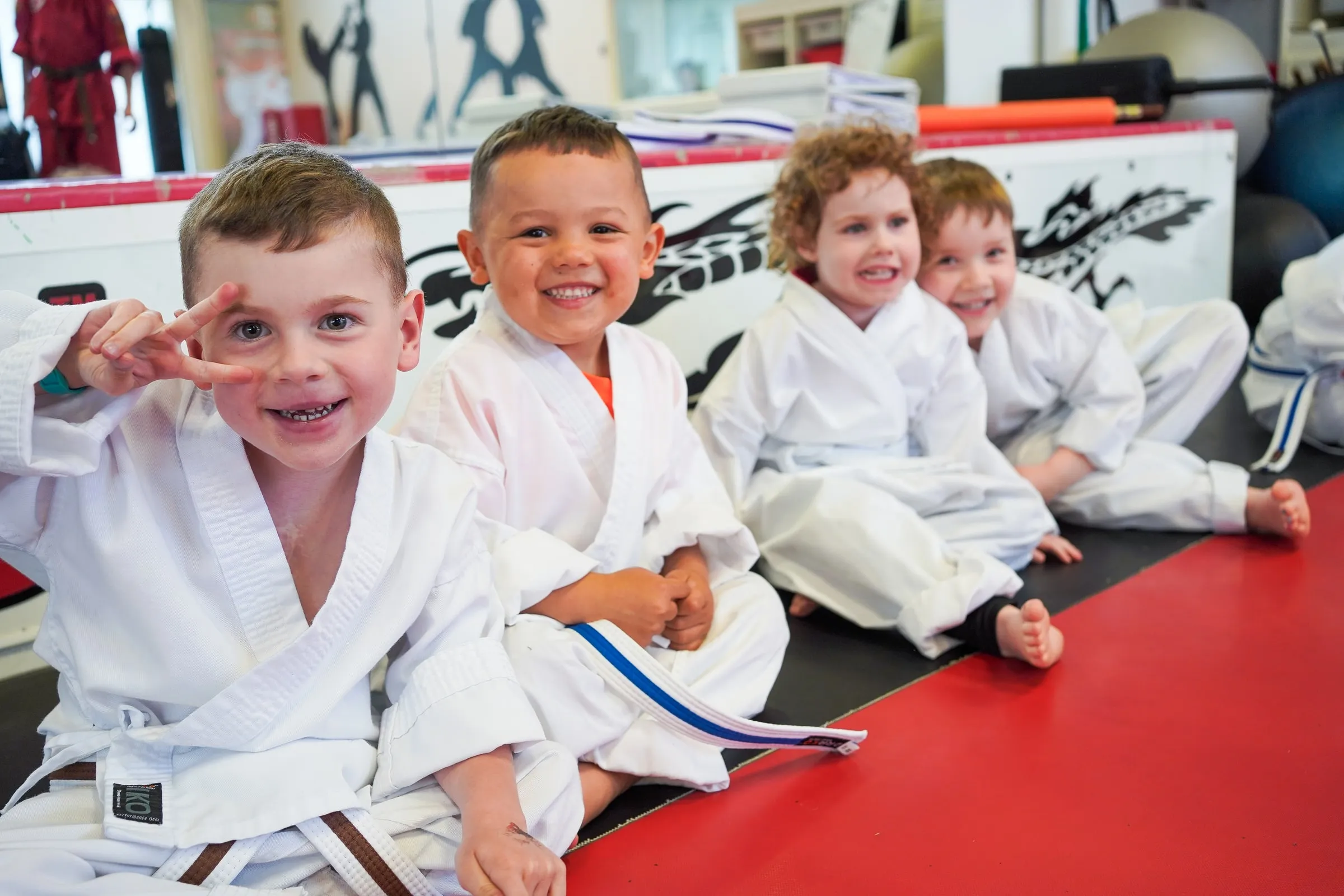
Every child who walks into our dojo is different. Some are shy. Some can’t sit still. Some have been bullied, and some have done the bullying. What they all need is the same: a safe place, clear expectations and adults who believe they can grow.
That’s what self-mastery means to us. Not perfection, just the ability to manage yourself a little better each month.
Every kind of kid
Martial arts meets kids where they are:
- The quiet kid finds their voice, sometimes literally, with a big kiai. Confidence grows one stripe at a time.
- The unfocused kid gets structure. Short, clear drills reward listening and waiting, and success builds on success.
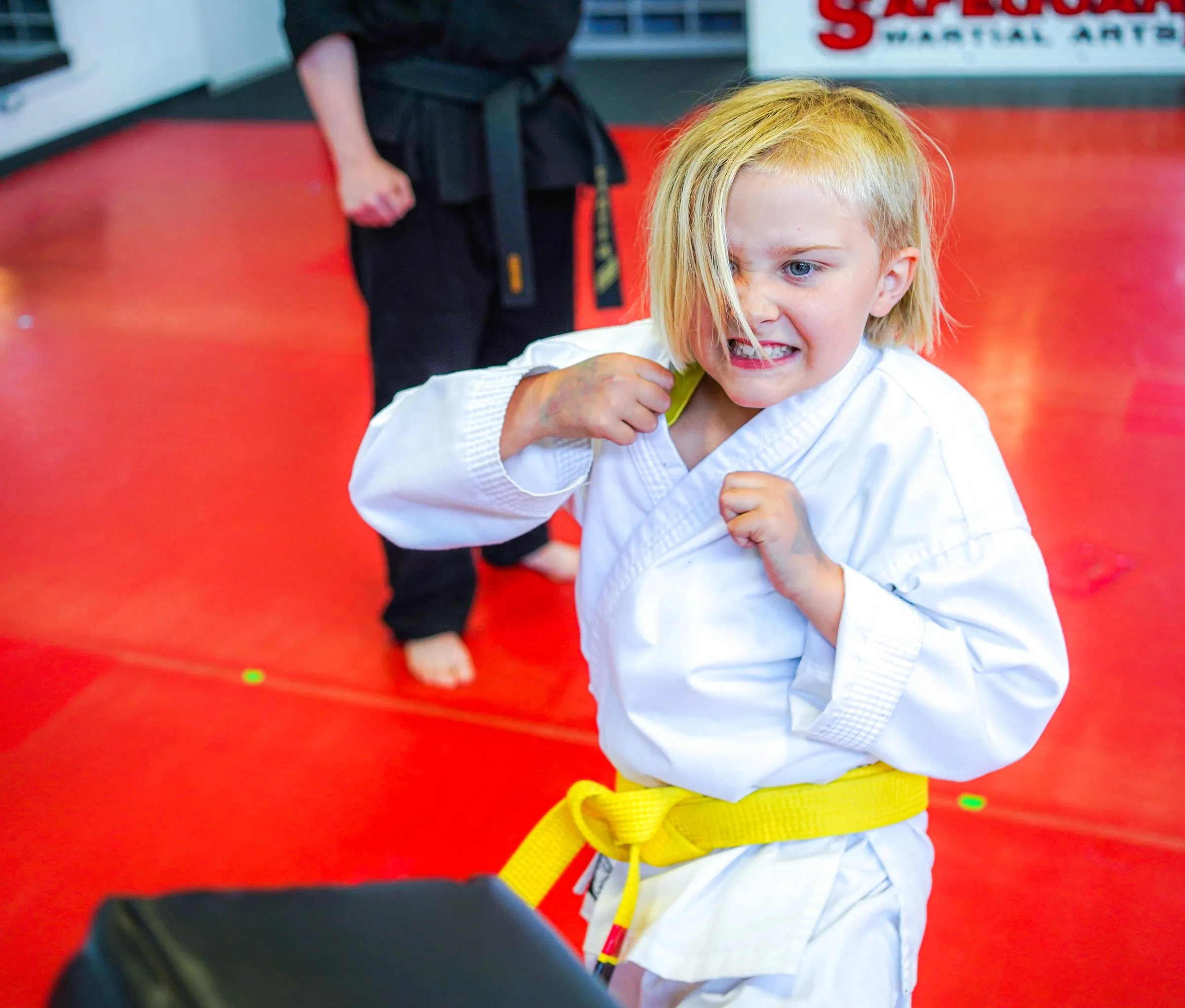
- The high-energy kid gets a positive outlet. They learn that power and control go together.
- The kid who’s been bullied learns how to stand tall, use their voice and stay safe.
- The kid who bullies learns respect, self-control and what real strength looks like.
Honest feedback, lots of encouragement
A good martial arts instructor does two things at once: corrects what’s wrong and celebrates what’s right. Kids hear “bend that front knee a little more” and “great focus, that’s it!” in the same minute. Over time, they learn that correction isn’t criticism. It’s how you get better.
That’s a big part of self-mastery: hearing feedback without falling apart, and using it.
Why the long road matters
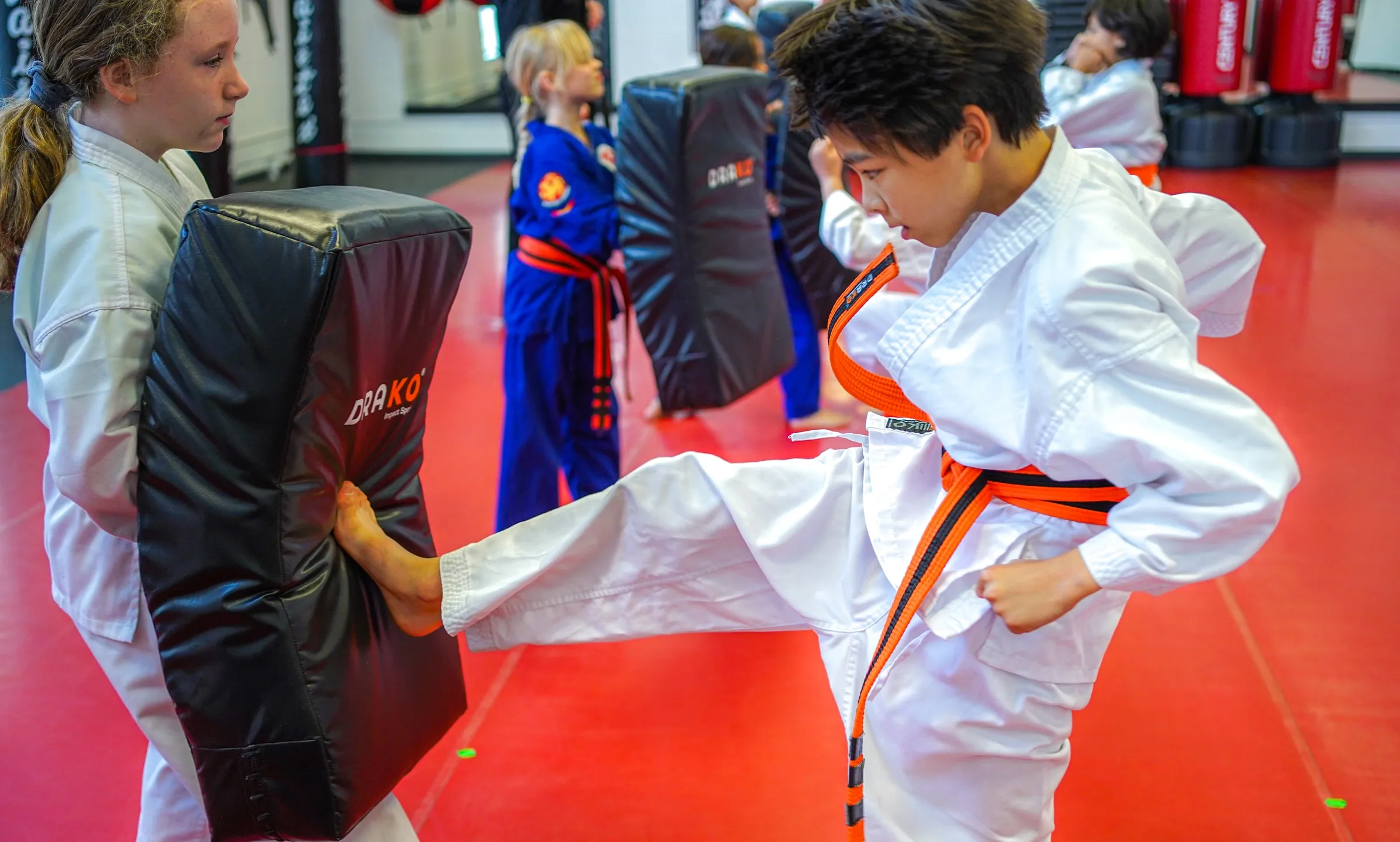
We teach Shotokan karate with a curriculum built for long-term growth. The basics (stances, blocks, punches, kicks) get practised over and over until they’re second nature. It’s not flashy, but it’s the foundation everything else stands on.
That patience is the lesson. In a world of instant results, kids learn that real skill takes time, and that sticking with something hard feels great when it finally clicks. It’s a lesson that helps at school, at home and later at work.
Personal best over trophies
We care more about a child beating their own best than beating someone else. Kids aren’t ranked against each other in our classes. They’re measured against who they were last month. It takes the pressure off, keeps them coming back and builds a winning mindset that has nothing to do with a ribbon.
Work ethic you can see
Belts at Safeguard are earned, never handed out. When a child ties on a new belt, they know they worked for it, and so do you. That pride is the start of a work ethic they’ll carry for life.
Getting started
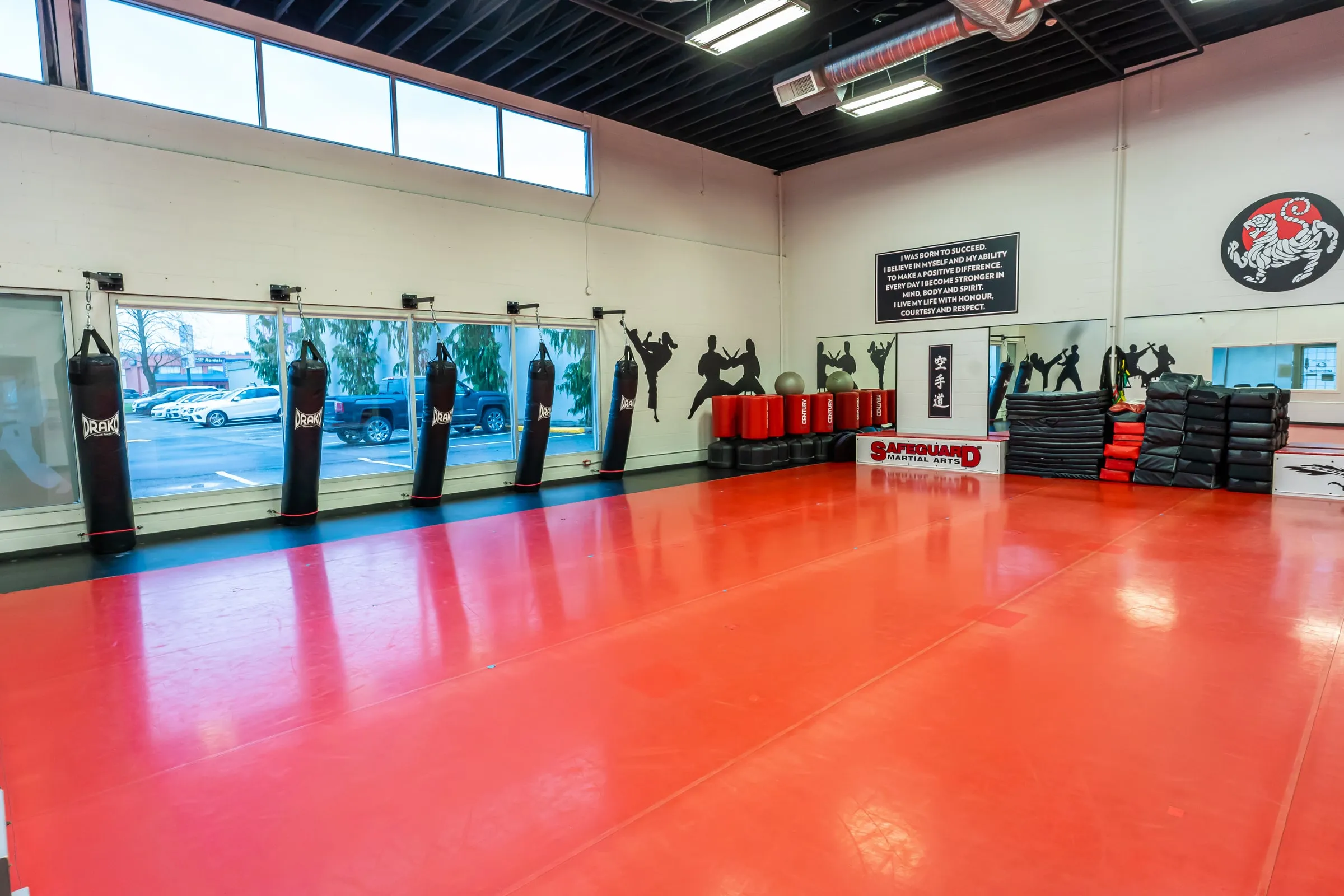
Our Junior Karate classes for ages 5 to 7 and ages 8 to 12 start with a free 2-week trial of 4 classes. Watch from the parents’ area, see how your child responds and talk to Sensei Troy after class. Many parents tell us they see a difference within the first few weeks.