Mental and Social Benefits of Martial Arts for Kids and Adults
Martial arts is a place to learn your limits, move past them and grow because of it. That growth happens in the mind as much as the body, and it happens alongside other people. Here’s a closer look at the psychological and social side of training.
Psychological benefits
Mental strength
In any sport there’s a moment when your body says “quit.” Learning to keep going, safely and with support, takes training the mind as well as the muscles. Students who learn this on the mat find it easier to push through in other places too: a tough exam, a hard week, a big challenge.
Resilience
Martial arts involves a lot of trying and not quite getting it. A technique doesn’t land, a kata falls apart halfway through, a belt test has to wait. Students learn that setbacks are part of the process, not the end of it.
Focus
Every class trains attention: listening for instructions, remembering sequences, staying present while a partner moves. For many kids, especially those who find focus hard, this practice makes a real difference at school and at home.
Self-esteem
Confidence built on praise alone is fragile. Confidence built on achievement lasts. Every stripe, belt and new skill is proof a student has earned, and it adds up to a quiet belief in themselves.
Mood and stress
Physical activity is one of the best-known ways to support mental health. The Public Health Agency of Canada notes it can improve mood, sleep and stress. Martial arts adds structure and community on top.
Social benefits
Belonging
A dojo is a community of people working on the same things. That sense of belonging matters for everyone, and it matters even more for kids who haven’t found their place on a team or in a classroom.
Friendship
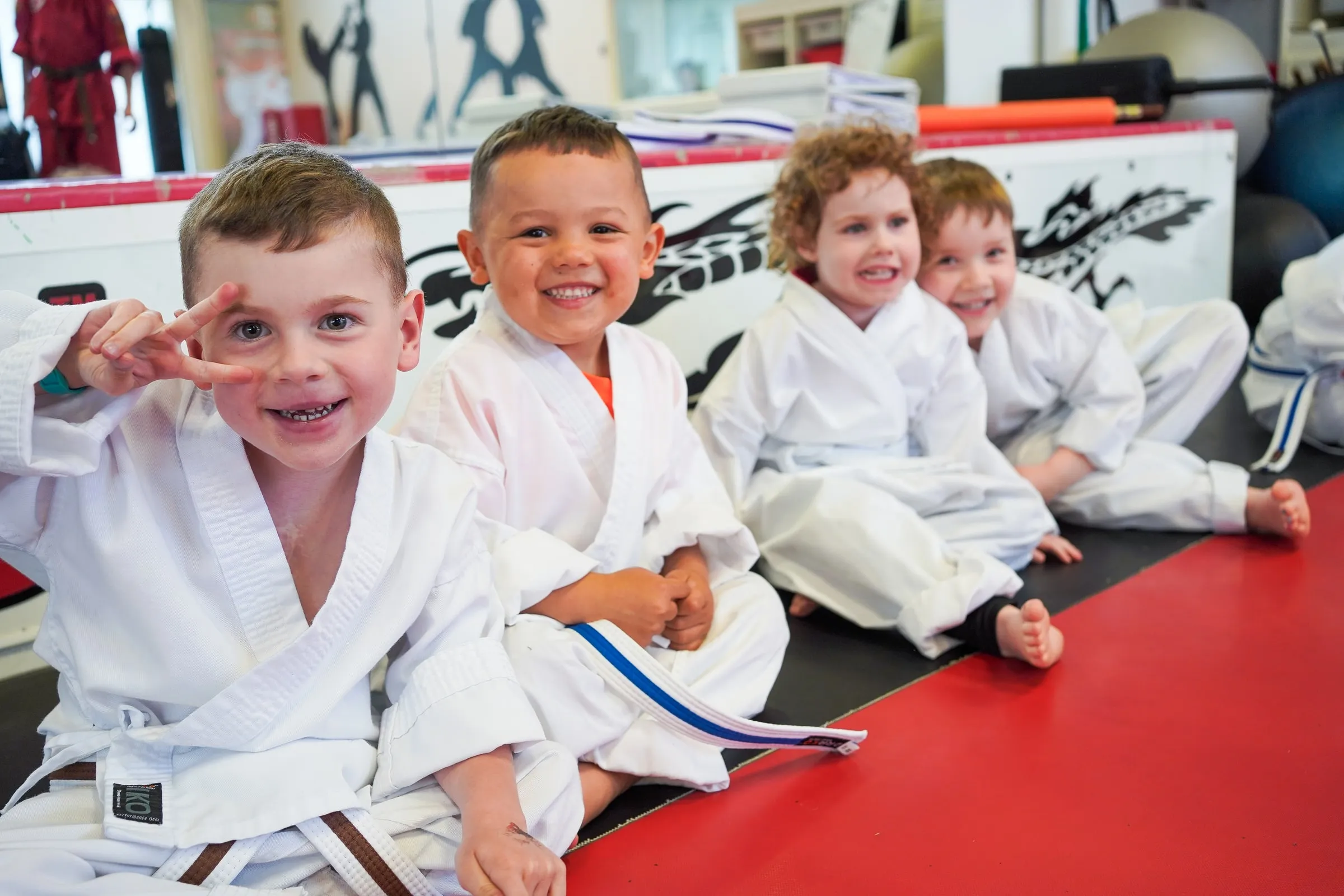
Kids make friends with classmates they might never have met at school. Adults find training partners who become real friends. Partner drills build trust quickly.
Respect and empathy
Bowing to your partner, looking after them in a drill and helping a newer student all teach respect and empathy. Students learn to be gracious when things go well and humble when they don’t.
Teamwork and leadership
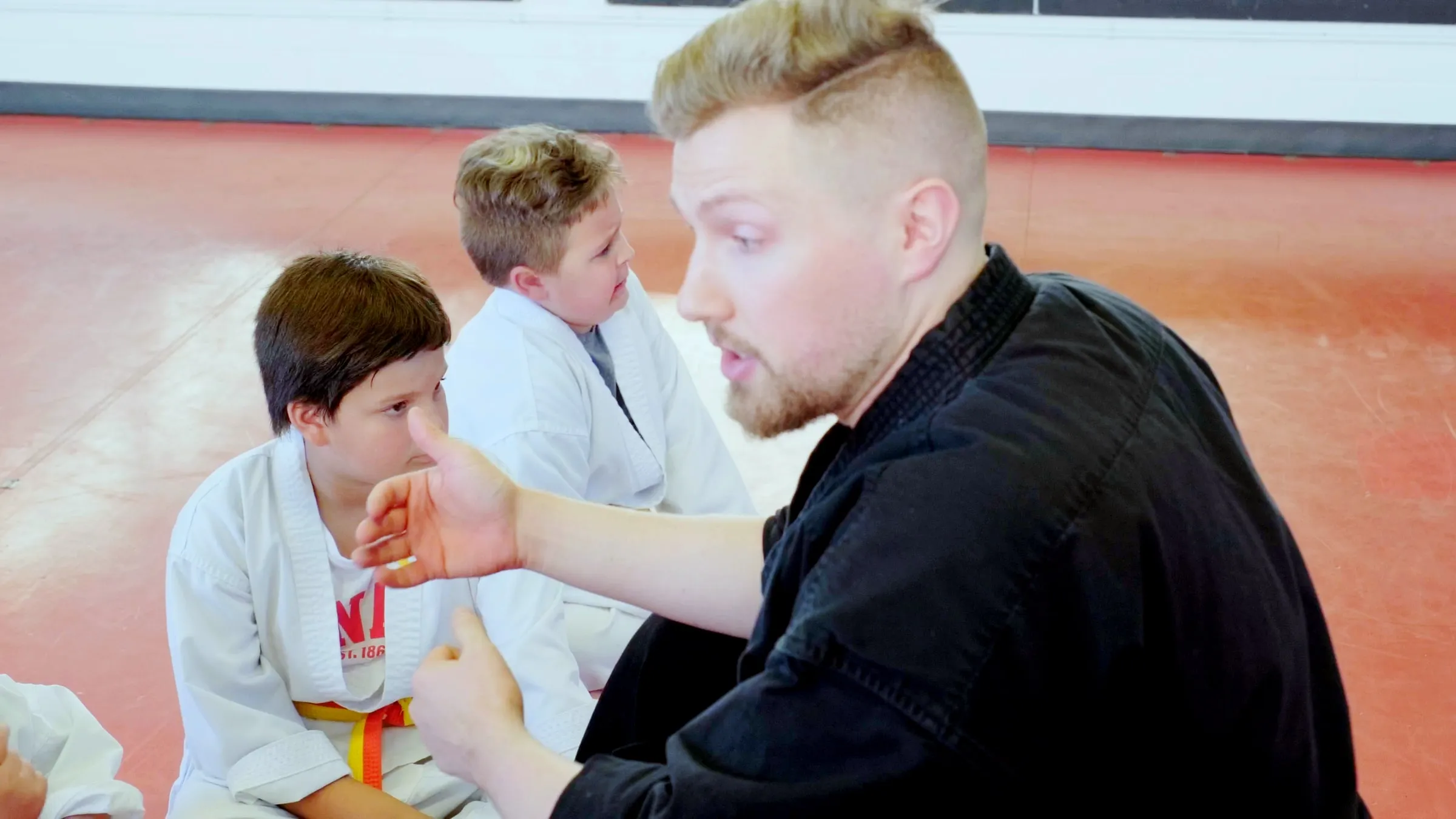
As students move up the belts, they help lead warm-ups and mentor beginners. Leadership grows naturally when you remember what it felt like to be new.
Social skills
For shy kids, the structure of a class makes social contact easier. There’s a clear way to say hello (a bow), clear roles in every drill and an instructor who makes sure everyone is included.
For children and adults alike
Kids gain confidence, discipline, coordination, decision-making skills, respect, focus and friends. Adults gain stress relief, community and a sense of progress that’s hard to find elsewhere. Families who train together get a shared interest and a lot of laughs.
If you’d like to see these benefits for yourself, use the class finder below to book a trial. You might also like the benefits of martial arts for physical and mental health.